Learn if Adult ADHD Is Impacting You
Explore Yourself
Online ADHD Test for Adults: Take Assessment & Diagnosis
 Adult ADHD Questionnaire: A Practical for Self-Assessment
New Updates

Adult ADHD Assessment: A Comprehensive Guide to Getting Clarity and Support
Understanding the Purpose and Scope of a Professional Evaluation
Many adults reach a turning point where chronic procrastination, uneven productivity...

A Comprehensive Guide to Free Adult ADHD Screening
What a Free Adult Screening Can and Cannot Tell You
Adults who are curious about attention patterns often start with a simple screener to frame...

ADHD Test for Adults: A Comprehensive Guide to Attention Assessment
What an Adult ADHD Screening Really Measures
Many adults wonder why focus drifts, projects stall, and motivation surges only under pressure. An evide...
Adult ADHD Assessment Test
Get StartedTake Control of Your Mind With Online ADHD Test for Adults
Busy professionals, students returning to school, and caregivers often feel stretched thin by forgetfulness, missed deadlines, and racing thoughts. Many wonder whether patterns of inattention and impulsivity reflect a deeper, persistent neurodevelopmental profile rather than simple busyness or burnout. That curiosity is healthy, and it can be the beginning of an informed journey that blends self-education, reflective tools, and collaboration with clinicians who specialize in attention challenges.
Before scheduling a clinical visit, people frequently explore digital options to orient themselves and to gather language for what they’re experiencing. For some, confidence grows when they encounter balanced tools like online ADHD testing for adults, used as a starting point rather than a definitive verdict. This early exploration helps individuals articulate real‑life impact across work, relationships, and daily organization, which becomes invaluable during any later conversation with a licensed professional.
Still, context matters. A thoughtfully constructed screener can highlight patterns, yet only a clinician can parse nuance, comorbidities, and differential diagnoses. With that in mind, many readers look for guidance about next steps after initial insights from ADHD testing for adults, especially when symptoms overlap with anxiety, depression, trauma, or sleep disorders. And for those seeking structure, an adult ADHD assessment can ultimately integrate interviews, rating scales, history taking, and, when appropriate, collateral input from partners or family to round out the picture.
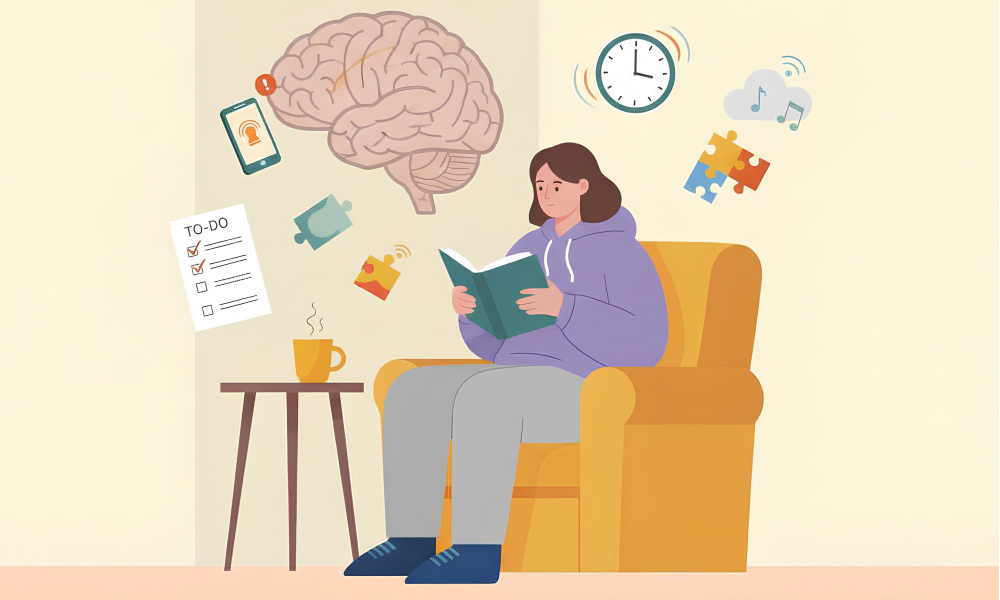
What Digital Tools Measure, How They Work, and Where They Fit
Digital instruments vary widely in scope, length, and depth. Some rely on brief screener questions that flag attention regulation or hyperactive-impulsive traits, while others present robust multi-domain inventories that connect everyday scenarios to clinical criteria. After completion, most tools summarize responses and guide next steps, such as saving results for a clinical appointment or monitoring changes over time. A structured option, like an adult ADHD questionnaire, can help people recognize recurring patterns across multiple environments, including work, home, and academic settings. To make the differences clear at a glance, the following comparison summarizes common formats, time commitment, and the type of feedback people typically receive.
| Format | Typical Length | What It Measures | Feedback Style | Best For |
|---|---|---|---|---|
| Short Screener | 3–7 minutes | Core inattentive and impulsive traits | Quick indication with brief next steps | Initial curiosity check |
| Standard Inventory | 8–15 minutes | Multiple life domains with severity hints | Score bands plus interpretation tips | Structured self-reflection |
| Comprehensive Battery | 20–30 minutes | Functional impact, context, and frequency | Detailed summary with personalized notes | Preparing for a clinical visit |
When choosing among tools, consider clarity, transparency, and whether the instrument cites evidence, norms, or validation studies. Many users report that results feel more meaningful when paired with practical guidance on sleep, stress management, and environmental supports. People who appreciate structured checklists often prefer an adult ADHD test, because a standardized approach can illuminate blind spots while avoiding vague labels and unhelpful generalities.
- Look for plain-language explanations of scores and cutoffs.
- Check whether the questions map to recognized criteria and life domains.
- Save your responses to discuss with a clinician later.
Those who want a more guided experience sometimes gravitate toward an adult ADHD online assessment, which may include staged questionnaires, symptom timelines, and concise next-step suggestions for primary care or specialist referrals.
Interpreting Scores, Taking Action, and Collaborating With Clinicians
Scores are information, not identity. A single number cannot capture the nuance of lived experience, but it can highlight patterns worth discussing. Many people review their summaries, jot down examples from recent weeks, and then decide on whether to consult a primary care clinician, a psychologist, or a psychiatrist. When used this way, a structured ADHD test for adults becomes a springboard for a more productive first appointment.
Action plans work best when specific, time-bound, and realistic. For example, you might test a simple planner ritual, break tasks into visible steps, and negotiate quieter work windows to reduce context switching. If you’re unsure where to begin, educational guides that explain how to test for adult ADHD can demystify terminology, outline the role of rating scales, and clarify why history across childhood and adulthood matters for accurate interpretation.
- Capture 2–3 real scenarios showing how attention issues affect outcomes.
- Note sleep quality, caffeine, and stressors that amplify symptoms.
- Ask about comorbidities and differential diagnosis during the visit.
For some, the next steps include telehealth and structured intake forms that streamline decision-making. People in rural areas or with tight schedules often appreciate that they can arrange an adult ADHD diagnosis online, then coordinate therapy, coaching, and workplace accommodations after a clinician reviews their full profile and medical history.

Benefits, Limitations, Costs, and Privacy Considerations
Digital tools offer speed, discretion, and convenience. Many can be completed on a phone during a lunch break, which lowers the barrier to getting started. A reflective tool such as an ADHD self-assessment for adults, can help translate vague frustrations into concrete observations that are easier to discuss with a healthcare professional. Alongside benefits, it’s vital to understand limitations: screeners do not replace clinical judgment, and symptom overlap with anxiety or sleep problems can produce confusing signals without expert context.
Cost and data protection also matter. Some platforms are free or donation-supported, while others bundle assessments with telehealth consultations. For budget-conscious users, options that include a free ADHD test for adults can provide a low-risk first look before investing in a comprehensive review. If you choose to proceed with care, ensure that providers detail how they store responses, whether results become part of your medical record, and how they handle consent.
Quality can vary, so look for credibility markers: citations, clinician involvement, and transparent scoring. People who want a guided experience often compare features, turnaround time, and practitioner follow-up to identify the best ADHD assessment for adults for their situation, while remembering that tools are most valuable when they lead to collaborative, person-centered care plans.
Adult ADHD Assessment Test
Get StartedFrequently Asked Questions
-
What symptoms suggest that an evaluation might be helpful?
Frequent distractibility, trouble finishing tasks, forgetfulness, and impulsive decisions that consistently disrupt work or relationships are common signals to explore. Many people start by trying a brief screening and then collecting examples from daily life before speaking with a clinician, which helps turn fuzzy concerns into clear talking points.
-
Are online screeners reliable enough to make decisions?
They are helpful for orientation, not diagnosis. When instruments explain their scoring and cite validation data, users can better weigh results and decide if a clinical visit is warranted based on what they learn from ADHD screening for adults, interpreted in context and paired with real-life observations.
-
How do I choose the right questionnaire or platform?
Look for clear instructions, evidence references, and actionable next steps. People who prefer structure often favor tools that organize behaviors by domain and frequency, particularly when the format resembles an ADHD questionnaire for adults, supported by plain-language feedback and practical suggestions.
-
What about women whose symptoms were missed earlier in life?
Many women were socialized to mask inattentiveness or overcompensate with perfectionism, which can hide the pattern during childhood. Some telehealth services offer nuanced guidance and evidence-based pathways that support ADHD diagnosis for adult women, including consideration of hormonal cycles and co-occurring anxiety.
-
Will I still need to see a clinician after getting results?
Yes, a licensed professional can provide differential diagnosis, review medical history, and suggest tailored interventions. A good plan often combines education, behavioral strategies, environmental tweaks, and, when appropriate, medication management to address goals in a balanced, sustainable way.